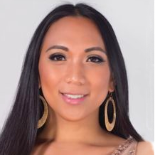
Raya Arbiol
Democrat | New Jersey




Candidate Profile*

Liberal

BIOGRAPHY
EDUCATION
University of Scranton, Scranton, PA, MBA, 2017
Middlesex College, Edison, NJ, AAS, 2011
Drexel University, Philadelphia, PA, MS, 2016
WORK & MILITARY
United States Navy, Hospital Corpsman, 2007
Lincoln Technical Institute, Medical Assisting, 2008
AFFILIATIONS
New York Cares, Team Lead, USO-Philadelphia
Red Badge Volunteer, YWCA-Princeton, NEXTGEN Officer & Founding Board Member
Princeton Community Television, Member, iMentor
Mentor, NJ Tree Foundation, Volunteer
American Red Cross, Disaster Preparedness & Relief Efforts Volunteer
POLITICAL OFFICES HELD
Old Bridge Township Committeperson, 2018-PRESENT
POLITICAL OFFICES SOUGHT
Old Bridge Council-at-Large, 2019
NJ General Assembly, LD-12, 2021
ENDORSEMENTS*
LIBERAL (10)
LPAC
New Jersey AFL-CIO
Gun Sense Voter
*Planned Parenthood New Jersey
Moms Demand Action
REPORTED BY CANDIDATE (1)
AFT, LPAC, Moms Demand Action, Health Professionals and Allied Employees
SELECTED CONTRIBUTIONS
LIBERAL
GIVEN BY CANDIDATE (0)
RECEIVED BY CANDIDATE (1)
Democratic Women's Groups (2019)
OTHER INFORMATION
QUESTIONNAIRE
RIGHT TO LIFE
Under what circumstances should abortion be allowed?
In my view, abortion should be legal and accessible under a range of circumstances that prioritize a person's autonomy and well-being. Every individual has the right to make decisions about their own body and reproductive health, and these decisions should not be restricted by laws that infringe upon that fundamental right. Abortion should be legal when a person's health is at risk, both physical and mental. The medical well-being of individuals must be the foremost concern, and the decision should be between a patient and their healthcare provider. Additionally, when a pregnancy is the result of rape or incest, abortion should be a legal option. Forcing someone to carry a pregnancy resulting from such traumatic circumstances can compound their suffering. Furthermore, in cases where the fetus has severe abnormalities or conditions that are incompatible with life, individuals should have the choice to terminate the pregnancy. This is a deeply personal and complex decision that should be made based on the best interests of the person and their family. Ultimately, the decision to have an abortion should be based on an individual's unique circumstances, values, and beliefs. It is not the role of the government to dictate these deeply personal choices. Legal and safe access to abortion is essential to protect the bodily autonomy, health, and well-being of individuals, ensuring that they have the freedom to make the best decision for themselves and their families.
Abortion providers, including Planned Parenthood, should not receive funds from federal, state, or local governments (including Title X grants).
Strongly Disagree
Planned Parenthood should continue receiving funds from federal, state, and local governments because of the vital healthcare services they provide to millions of individuals across the country. These funds are crucial to ensuring that people have access to comprehensive reproductive healthcare, family planning, cancer screenings, STI testing and treatment, and other essential medical services.
I support 'aid in dying' laws which legalize assisted suicide and euthanasia.
Agree
I support "aid in dying" laws because they provide individuals who are suffering from terminal illnesses with the option to have a peaceful and dignified end to their lives if they choose. These laws ensure that individuals have the autonomy and control over their own bodies and medical decisions, allowing them to avoid unnecessary pain and suffering during their final moments. "Aid in dying" laws uphold the principles of compassion and personal choice while providing a humane option.
ECONOMY
What changes, if any, should be made to the tax code?
The current tax code should be revised to ensure greater fairness and equity. This could involve implementing progressive taxation that places a larger burden on higher income earners, closing loopholes that benefit corporations and the wealthy, and providing targeted tax relief for low and middle-income individuals and families. By making these changes, we can create a more just tax system that supports economic equality and funds essential public services.
What government spending would you reduce in order to balance the budget?
Government spending can be carefully reviewed and streamlined by focusing on areas of inefficiency and redundancy. Reducing wasteful military spending, eliminating subsidies to industries that no longer need them, and implementing cost-saving measures in healthcare and social programs could contribute to a more balanced budget while still preserving essential services for our citizens.
Taxpayer-funded public education should be guaranteed through college.
Strongly Agree
Supporting taxpayer-funded education through college is crucial for creating a more equitable and skilled workforce. It helps remove financial barriers that prevent many talented individuals from pursuing higher education, leading to a more educated society, better job opportunities, and a stronger economy. Additionally, accessible higher education fosters innovation, research, and societal progress, benefiting everyone.
RELIGIOUS LIBERTY
Individuals and businesses should be required to provide services even if it would violate their moral and/or religious beliefs.
Agree
Requiring individuals and businesses to provide services even if it conflicts with their moral or religious beliefs ensures equal access to essential services for everyone in society, regardless of their background or identity. Upholding this principle helps prevent discrimination and maintains a fair and inclusive environment where all individuals are treated with dignity and respect.
Under what circumstances can government close churches?
Government should only consider closing a church when there is clear and imminent danger to public health and safety, such as during a public health crisis like a pandemic, where large gatherings could lead to the spread of a contagious disease. Such decisions should be based on scientific evidence and made in consultation with public health experts, while ensuring that religious freedom is respected and alternative ways of worship are accommodated.
HEALTHCARE
What most closely matches your view on healthcare: A) Healthcare for all should be guaranteed and funded by the government with no private healthcare option. (includes "universal healthcare," "medicare for all," etc.) B) Healthcare insurance funded by the government should be available for all who want it, along with private healthcare options. C) Medicaid and Medicare should remain available, but no other taxpayer-funded programs are necessary. D)Tax-payer funded health care should be abolished in all forms, and Medicaid and Medicare should be de-funded.
Universal healthcare ensures that every individual has access to essential medical services without facing financial barriers. It promotes a healthier population, reduces healthcare disparities, and provides a safety net for unexpected medical needs, fostering a more equitable and just society.
Under what circumstances (if any) should a government, school, or employer be allowed to require vaccinations?
Government, schools, and employers should require vaccinations when supported by scientific evidence and public health considerations. Balancing healthcare freedom means respecting personal choices while also safeguarding public health. Requiring vaccinations ensures that individuals have access to accurate information and protects vulnerable populations from preventable diseases based on the established knowledge of medical science.
NATIONAL SECURITY
What should the United States do to help eradicate the threat of Islamic terrorism?
Eradicating the threat of Islamic terrorism requires a multifaceted approach that addresses the root causes while focusing on security and diplomacy. To start, fostering international cooperation and intelligence-sharing is essential. The United States should collaborate with global partners to monitor and disrupt terrorist networks, and to counter radicalization efforts online and offline. Promoting stability in regions where terrorist groups often operate is crucial. This involves investing in economic development, education, and governance to address underlying grievances that terrorists exploit. Diplomatic engagement should be pursued to resolve conflicts, address humanitarian crises, and support political reforms. At home, strengthening intelligence and law enforcement capabilities to identify potential threats is vital. Enhancing community engagement and countering violent extremism programs can prevent radicalization within local communities. Additionally, the U.S. should continue to work with Muslim-American communities to build partnerships and trust, debunk extremist ideologies, and encourage reporting of suspicious activities. Counterterrorism efforts must also respect human rights and international law. This includes ensuring proper legal processes for suspected terrorists and avoiding measures that could alienate communities or exacerbate grievances. Collaboration with Muslim-majority countries to combat extremist ideologies and promote moderate voices within Islam is also important. Ultimately, eradicating the threat of Islamic terrorism requires a comprehensive, balanced approach that combines security measures, diplomatic efforts, international cooperation, and addressing underlying factors that fuel radicalization.
I support the Boycott, Divestment, Sanctions (BDS) movement to pressure Israel to withdraw from occupied territories, remove the separation barrier in the West Bank, allow full equality for Arab-Palestinian citizens of Israel, and promote the rights of Palestinian refugees.
Agree
While I recognize the importance of advocating for human rights and justice around the world, I believe that supporting the BDS (Boycott, Divestment, Sanctions) movement against Israel is a complex issue. While the movement aims to address legitimate concerns, it's important to consider the broader implications and complexities of the Israeli-Palestinian conflict. As a candidate, my focus is on promoting peaceful dialogue, diplomacy, and finding sustainable solutions.
IMMIGRATION
The U.S. should do more to physically secure the southern border.
Strongly Agree
I believe in the importance of border security to maintain the safety and integrity of our nation. While addressing immigration challenges requires a comprehensive approach that includes humane policies and pathways to citizenship, securing the southern border is essential to prevent unauthorized entry, human trafficking, and the flow of illegal goods. Striking a balance between effective border enforcement and compassionate immigration policies is crucial for the well-being of our country.
Who should be allowed to immigrate to the U.S. and under what circumstances?
I support a fair and inclusive immigration system that welcomes individuals who contribute positively to our society and economy. Immigrants who have strong ties, skills, and a commitment to our values should have the opportunity to come to the US legally, while also upholding our national security and maintaining a compassionate approach.
EDUCATION
I support school choice, including voucher programs, tax credits, charter schools, private schools, and home schools.
Agree
I believe in providing parents with options for their children's education. School choice, including voucher programs, charter schools, and private schools, can offer families the ability to find the best educational fit for their children's needs and aspirations.
VALUES
Judeo-Christian values established a framework of morality which is necessary for our system of limited government.
Agree
Supporting Judeo-Christian values of limited government ensures individual freedoms and personal responsibility. These values encourage a government that respects the rights of citizens, promotes self-reliance, and allows for diverse beliefs and practices. This approach can lead to a balanced and empowered society where individuals have the autonomy to make their own choices while maintaining a sense of community and shared responsibility.
I support adding gender identity as a specially protected class in non-discrimination laws.
Strongly Agree
I support adding gender identity as a protected class to non-discrimination laws to ensure equal rights and dignity for all individuals, regardless of their gender identity. It's essential to create an inclusive society where everyone can live authentically and without fear of discrimination or harm.
Marriage is a God-ordained, sacred and legal union of one man and one woman. No government has the authority to alter this definition.
Strongly Disagree
While I respect diverse beliefs, I believe in an inclusive society that upholds individual rights and freedoms. Marriage is a legal contract with various implications, and it's crucial to ensure equal access and protection for all couples, regardless of their beliefs or orientations.
I agree with Critical Race Theory (CRT) which asserts that the institutions in the United States are fundamentally racist.
Strongly Disagree
I believe Critical Race Theory (CRT) acknowledges historical racial injustices and encourages a deeper understanding of systemic inequalities. It doesn't categorically label all institutions as inherently racist, but rather aims to foster conversations about addressing structural inequities for a more just society.
Briefly describe your spiritual beliefs and values.
I was raised in a Catholic household, and my spiritual journey has led me to embrace a practicing Christian faith. My beliefs and values are rooted in principles of compassion, empathy, and social justice. I strive to live by the teachings of love and respect for all individuals, regardless of their backgrounds. My faith informs my commitment to equality, inclusivity, and the betterment of our society. I believe in the importance of working collaboratively to create a world that reflects these values, where everyone can thrive and contribute positively to the common good.
ELECTIONS AND VOTING
People should be able to vote without photo identification.
Strongly Agree
I believe that voting is a fundamental right that should be accessible to all eligible citizens. Requiring strict photo identification can disproportionately affect marginalized communities and create barriers to participation. We should prioritize ensuring that every eligible voter can exercise their right without unnecessary obstacles.
What laws would you propose to change present voting practices?
I propose implementing a comprehensive Voting Access and Integrity Act aimed at enhancing the accessibility, security, and inclusivity of our voting system. This legislation would encompass various measures to strengthen the democratic process and ensure equitable participation for all citizens. Automatic Voter Registration (AVR): I would advocate for the implementation of an AVR system that automatically registers eligible citizens to vote when they interact with government agencies. This would streamline the registration process, reduce errors, and increase voter turnout. Expanded Early Voting: To accommodate the diverse schedules of voters, I would push for an expansion of early voting periods, allowing citizens to cast their ballots in advance of Election Day. This approach fosters increased participation and reduces long lines at polling places. Vote-by-Mail Access: I would work to make it easier for citizens to vote by mail by simplifying the application process and ensuring that every registered voter receives a mail-in ballot. This option is especially important for individuals who face mobility or scheduling challenges. Election Security Measures: My proposed legislation would incorporate stringent security protocols, including paper trails for electronic voting machines, routine audits, and cybersecurity enhancements, to safeguard the integrity of our elections. Eliminating Voter ID Barriers: I would advocate for measures to eliminate unnecessary and discriminatory voter ID requirements that can disenfranchise certain groups. While verifying voter identity is important, we must ensure that these measures do not disproportionately affect marginalized communities. Restoration of Voting Rights: I would support legislation that restores voting rights to individuals who have completed their sentences for non-violent offenses, recognizing the importance of reintegration and civic participation. Youth Engagement: To foster civic engagement from an early age, I would propose initiatives that promote voter education and registration in high schools, encouraging young adults to participate in our democratic process. Language Access: Ensuring that ballots, voting materials, and information are available in multiple languages is crucial for our diverse population. My legislation would prioritize language access to make the voting process inclusive for all citizens. Public Education Campaigns: My proposal would include funding for public education campaigns to inform citizens about changes in voting procedures, polling locations, and important election dates, ensuring that everyone is well-informed. Enhancing Poll Worker Training: To ensure smooth and efficient voting experiences, I would advocate for comprehensive training programs for poll workers, focusing on addressing issues such as voter intimidation and ensuring a welcoming environment. By introducing the Voting Access and Integrity Act, I aim to create a comprehensive framework that ensures every eligible citizen has the opportunity to exercise their right to vote in a secure, inclusive, and accessible manner. This legislation reflects my commitment to upholding the principles of democracy and ensuring that the voices of all citizens are heard in our elections.
EQUALITY
Is racism a threat to domestic security in the United States? Why or why not?
Yes, racism is indeed a threat to domestic security in the United States. Racism perpetuates inequality, division, and social unrest, ultimately compromising the stability and safety of the nation. Racism fuels systemic inequalities that disproportionately affect marginalized communities, leading to disparities in education, employment, healthcare, housing, and criminal justice. These disparities create an environment of frustration, resentment, and social unrest, which can lead to protests, civil disturbances, and even violence. Racially motivated hate crimes and domestic terrorism pose a clear threat to public safety. Extremist ideologies rooted in racism can drive individuals or groups to commit acts of violence against specific racial or ethnic communities, undermining the overall social fabric and causing fear and trauma. The erosion of trust between law enforcement and communities of color due to racial profiling, excessive use of force, and unequal treatment further hampers public safety efforts. Communities that feel marginalized or unfairly targeted are less likely to cooperate with law enforcement, which can hinder crime prevention and resolution. Additionally, racism's impact on mental health and well-being cannot be underestimated. Constant exposure to racial discrimination takes a toll on individuals' mental health, potentially leading to feelings of hopelessness, anger, and even radicalization. Addressing racism as a threat to domestic security requires systemic change, including comprehensive reforms in law enforcement, education, criminal justice, and healthcare. Tackling racism at its root is essential to fostering a just and harmonious society, where all citizens can live without fear and contribute to the overall safety and security of the nation.
Reparations should be given to people on the basis of race.
Agree
I agree that reparations should be considered to rectify historic racial injustices. Generational disparities, stemming from slavery and systemic discrimination, have had lasting impacts on wealth, education, and opportunities for Black communities. Addressing these inequities through reparations can help achieve a more just and equitable society.
ENERGY & ENVIRONMENT
Which comes closest to your view? A) Stricter environmental laws and regulations cost too many jobs and hurt the economy. B) Stricter environmental laws and regulations are worth the cost.
I firmly believe that environmental laws and regulations are not just worth the cost; they are essential for safeguarding our planet, public health, and future generations. The benefits of strong environmental protections far outweigh the economic expenses. These laws are a vital framework to mitigate climate change, preserve natural resources, and ensure clean air and water for all. Environmental regulations play a crucial role in preventing pollution, protecting biodiversity, and curbing greenhouse gas emissions. They contribute to cleaner air quality, which directly correlates with reduced rates of respiratory diseases and premature deaths. By promoting sustainable practices and clean energy technologies, these regulations drive innovation and create green jobs, fostering economic growth while tackling the climate crisis. Critics argue that environmental regulations impose burdens on industries and hinder economic growth. However, history has shown that responsible regulations lead to more efficient resource use, reduced health care costs, and enhanced international competitiveness. While compliance may require investments, the long-term benefits in terms of a healthier population, enhanced ecosystem services, and climate resilience far outweigh the initial financial outlays. Furthermore, ignoring environmental protection costs more in the long run, both in terms of economic consequences and human suffering. Natural disasters, exacerbated by climate change, result in billions of dollars in damages and countless lives lost. Failure to address pollution can lead to severe health issues and high medical expenses. By prioritizing strong environmental laws, we can mitigate these risks, create a sustainable future, and ensure a better quality of life for all citizens.
I support the use of hydraulic fracking to extract oil and natural gas resources.
Disagree
I support responsible energy extraction methods, but hydraulic fracking poses significant environmental risks like water pollution and seismic activity. We should prioritize renewable energy sources for a cleaner and sustainable future.
ABOUT YOU
What do you think is the general purpose of government?
The general purpose of government is to ensure the well-being, security, and prosperity of its citizens while upholding their rights and promoting the common good. It serves as a framework to establish order, provide essential services, and protect individual freedoms. Government plays a crucial role in maintaining social cohesion, resolving disputes, and setting regulations that guide societal interactions. At its core, government exists to create a just and equitable society. It should strive to eliminate discrimination, provide equal opportunities, and ensure that every individual's basic needs are met, regardless of their background or circumstances. This involves addressing social inequalities through policies that promote economic growth, affordable healthcare, quality education, and affordable housing. Additionally, government serves as a guardian of individual rights and freedoms. It should safeguard civil liberties, protect citizens from harm, and ensure that justice is administered fairly and without bias. This includes safeguarding rights such as freedom of speech, religion, and assembly, while also ensuring that vulnerable populations are not marginalized or oppressed. Government also has a critical role in maintaining stability and providing a safety net. This involves establishing regulations to prevent monopolies, ensuring fair competition, and creating mechanisms to respond to crises and emergencies effectively. It should prioritize infrastructure development, disaster preparedness, and public safety to maintain a secure environment for citizens. In sum, the overarching purpose of government is to create an environment where citizens can thrive, where justice prevails, and where societal well-being is prioritized. Its functions are multifaceted, ranging from safeguarding rights to promoting economic prosperity and maintaining social harmony. A successful government seeks to strike a balance between individual liberty and the collective good, continually adapting to the evolving needs and aspirations of its people.
When you consider your views on a wide range of issues from economic and social matters to foreign policy and religious liberty, which of the following best describes you overall?
Lean Liberal
I am considered a lean liberal because I advocate for progressive social policies that promote equality, social justice, and individual rights. My support for issues like healthcare accessibility, climate action, and LGBTQ+ rights aligns with liberal values. However, I also identify as fiscally conservative, emphasizing responsible spending and efficient use of resources to support sustainable economic growth.
Please provide publicly available information, including interviews and media reports, validating your answer to the previous question (other than your website).
N/A
Have you ever been convicted of a felony or been penalized in either civil or criminal court for sexual misconduct? If so, please explain.
No
What else would you like voters to know about you, including your legislative priorities?
I want voters to know that I am deeply committed to creating positive change for our community and the state of New Jersey. As a Navy veteran and a devoted advocate for social justice, I bring a unique perspective to the table. I understand the importance of service, and I am determined to use my skills and experiences to make a difference in the lives of everyday people. My legislative priorities reflect the diverse needs of our community. Housing affordability is crucial, and I will work to ensure everyone has access to safe and affordable housing. Environmental sustainability is another priority, as I believe in combating climate change and promoting clean energy solutions to secure a healthier future for our children. Healthcare accessibility is vital, and I will fight for comprehensive and affordable healthcare options for all residents. I am a strong advocate for economic development that is equitable and benefits everyone. My commitment to defending our democracy extends to advocating for voting rights, campaign finance reform, and government transparency. I am dedicated to advancing women's rights, LGBTQ+ rights, and social justice issues, aiming to create a more inclusive society where everyone is treated with respect and fairness. My personal background as a Navy veteran, small business owner, a Filipina-American immigrant, and a dedicated community member informs my passion for making a positive impact. I value collaboration and open dialogue with constituents to understand their concerns and work towards solutions. I am running for office to bridge the gap between local issues and effective legislative action, and I am committed to being a voice that represents the people and their needs.
CRIMINAL JUSTICE & PUBLIC SAFETY
Police officers should be personally immune from prosecution for conduct consistent with departmental policy (qualified immunity) while on duty.
Strongly Disagree
I believe that accountability is a cornerstone of a just society. While I deeply respect the challenging work of police officers, granting immunity from persecution can hinder justice for victims of misconduct. Holding officers accountable ensures transparency, upholds trust in law enforcement, and promotes a safer community for all.
I support redirecting funds from police departments to mental health and community programs.
Strongly Disagree
I believe that both well-funded police departments and robust mental health and community programs are essential for public safety. Redirecting funds from police departments can potentially compromise their ability to respond to emergencies effectively. Instead, we should prioritize increasing overall funding to ensure a comprehensive approach that supports both law enforcement and community services.
2ND AMENDMENT
What restrictions on gun ownership are needed to protect public safety?
Common-sense restrictions on gun ownership, such as universal background checks, waiting periods, and limits on high-capacity magazines, are essential to ensure public safety without infringing on responsible gun owners' rights. Stricter regulations on assault weapons and implementing red flag laws can help prevent individuals who pose a danger from accessing firearms. Balancing Second Amendment rights with the need for safety is crucial for the well-being of our communities.
Victims of gun violence should be able to sue firearms dealers and manufacturers.
Disagree
While empathy for gun violence victims is paramount, holding manufacturers and dealers liable for individual criminal acts may deter legitimate gun commerce. Instead, focusing on stronger background checks, mental health support, and responsible ownership education would be more effective in preventing gun violence while respecting Second Amendment rights.