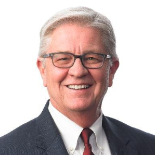
Erven Nelson
Non-Partisan | Nevada





Candidate Profile*

Moderate

BIOGRAPHY
EDUCATION
J. Reuben Clark Law School, Provo, J.D., 1983
Brigham Young University, Provo, B.S., 1980
Ed W. Clark High School, Las Vegas, Graduate, 1974
WORK & MILITARY
(Candidate did not provide)
AFFILIATIONS
The Church of Jesus Christ of Latter-Day Saints, Missionary, Bishop, Sober Living
Board Member, Desert Chorale, Treasurer
Boy Scouts of America, District President, Ass't Scoutmaster, Nevada Development Authority
Board of Trustees, Member, Coalition for the Protetion of Marriage, Board Member
Japan America Society, Member, The Federalist Society
POLITICAL OFFICES HELD
Assemblyman, 2014-16
Chair, Interim Energy Committee, 2016
POLITICAL OFFICES SOUGHT
Nevada State Senate, 2016
SELECTED CONTRIBUTIONS
CONSERVATIVE
GIVEN BY CANDIDATE (1)
Mitt Romney (2008)
RECEIVED BY CANDIDATE (0)
OTHER INFORMATION
QUESTIONNAIRE*
RELIGIOUS LIBERTY
Religious liberty is at risk in the United States and deserves the highest level of protection in the law.
Strongly Agree
Religious liberty is at risk in the United States and deserves the highest level of protection in the law.
Strongly Agree
The Ten Commandments should not be displayed in public school buildings or court houses.
Neutral
The Ten Commandments should not be displayed in public school buildings or court houses.
Neutral
What does "separation of church and state" mean to you?
The term "separation of church and state" is from a dissenting opinion from the US Supreme Court. The proper interpretation should be consistent with the First Amendment so that government does not infringe upon the rights of each person mankind to exercise their religion how, when and where they may so long as that exercise does not violate the rights of others. The Founders saw the follies of state sponsored religions in Europe and rightly prohibited that practice as to individual sects or denominations. No sect or sects were to be favored over other sects. Religion in general is to be allowed so long as the government does not "establish" one religion or mode of worship. Religion in general, in all its varieties, is not to be banned from all forms of government, society or from the people. The Founders also saw the follies of denying the people to worship as they, the individual holders of religious rights, deemed best.
What does "separation of church and state" mean to you?
The term "separation of church and state" is from a dissenting opinion from the US Supreme Court. The proper interpretation should be consistent with the First Amendment so that government does not infringe upon the rights of each person mankind to exercise their religion how, when and where they may so long as that exercise does not violate the rights of others. The Founders saw the follies of state sponsored religions in Europe and rightly prohibited that practice as to individual sects or denominations. No sect or sects were to be favored over other sects. Religion in general is to be allowed so long as the government does not "establish" one religion or mode of worship. Religion in general, in all its varieties, is not to be banned from all forms of government, society or from the people. The Founders also saw the follies of denying the people to worship as they, the individual holders of religious rights, deemed best.
VALUES
Judeo-Christian values established a framework of morality which is necessary for our system of limited government.
Strongly Agree
Judeo-Christian values established a framework of morality which is necessary for our system of limited government.
Strongly Agree
George Washington's comment that “Religion and morality are the essential pillars of civil society” is still true today.
Strongly Agree
George Washington's comment that “Religion and morality are the essential pillars of civil society” is still true today.
Strongly Agree
What in the nature of mankind caused America’s Founders to carefully define, separate, and limit powers in the Constitution?
The Founders knew that too much power in any individual, group of individuals or branch of government would lead to abuse, loss of liberty and eventually tyranny. They had seen it throughout Europe, especially in the monarchies of Great Britain and France. Man generally seeks his own benefit before the benefit of others, and power over others. Without rules and laws, mankind does what suits itself rather than a group, country or society, eventually resulting in anarchy.
What in the nature of mankind caused America’s Founders to carefully define, separate, and limit powers in the Constitution?
The Founders knew that too much power in any individual, group of individuals or branch of government would lead to abuse, loss of liberty and eventually tyranny. They had seen it throughout Europe, especially in the monarchies of Great Britain and France. Man generally seeks his own benefit before the benefit of others, and power over others. Without rules and laws, mankind does what suits itself rather than a group, country or society, eventually resulting in anarchy.
Briefly describe your spiritual beliefs and values.
I believe in God the Father, his son Jesus Christ and the Holy Ghost. God the Father is the father of our eternal spirits and loves all his children. Jesus Christ is our elder spirit brother and was appointed to be the Savior and Redeemer of all mankind. Because all mankind sin, which disqualifies them from living again with the Father, a Plan of Salvation and way to repent and be washed clean from sin is needed. Jesus Christ, because of the sinless life he led and the power he received from the Father, worked out for all mankind the atonement and redemption from spiritual and physical death. Christ took upon himself the sins and weaknesses of all mankind in the Garden of Gethsemane and on the cross at Calvary. Although I am a Christian, I believe that all mankind have a God-given right to worship how, what, where and when they choose. God gave that free choice to all mankind. Government exists to preserve the religious liberty of all mankind, not infringe on those rights.
Briefly describe your spiritual beliefs and values.
I believe in God the Father, his son Jesus Christ and the Holy Ghost. God the Father is the father of our eternal spirits and loves all his children. Jesus Christ is our elder spirit brother and was appointed to be the Savior and Redeemer of all mankind. Because all mankind sin, which disqualifies them from living again with the Father, a Plan of Salvation and way to repent and be washed clean from sin is needed. Jesus Christ, because of the sinless life he led and the power he received from the Father, worked out for all mankind the atonement and redemption from spiritual and physical death. Christ took upon himself the sins and weaknesses of all mankind in the Garden of Gethsemane and on the cross at Calvary. Although I am a Christian, I believe that all mankind have a God-given right to worship how, what, where and when they choose. God gave that free choice to all mankind. Government exists to preserve the religious liberty of all mankind, not infringe on those rights.
In light of the U.S. Supreme Court decision in Obergefell v. Hodges allowing members of the same sex to marry, which justice’s opinion in that case most closely approximates your understanding of marriage?
Justice Alito, joined byScalia and Thomas
In light of the U.S. Supreme Court decision in Obergefell v. Hodges allowing members of the same sex to marry, which justice’s opinion in that case most closely approximates your understanding of marriage?
Justice Alito, joined byScalia and Thomas
ABOUT YOU
I voted in these primaries and general elections:
2012 Republican Primary, 2012 General Election, 2014 Republican Primary, 2014 General Election, 2016 Republican Primary, 2016 General Election, 2018 Republican Primary, 2018 General Election
I voted in these primaries and general elections:
2012 Republican Primary, 2012 General Election, 2014 Republican Primary, 2014 General Election, 2016 Republican Primary, 2016 General Election, 2018 Republican Primary, 2018 General Election
When you consider your views on a wide range of issues from economic and social matters to foreign policy and immigration, which of the following best describes you overall?
Conservative
When you consider your views on a wide range of issues from economic and social matters to foreign policy and immigration, which of the following best describes you overall?
Conservative
Please provide publicly available information validating your answer to the previous question.
All my votes in the 2015 Assembly are publicly available. I voted to amend the statue governing law suits for construction defects which was unduly balanced in favor of homeowners and against contractors without opportunities to inspect or repair alleged defects. I took a conservative stand against allowing unisex restrooms in public schools. In what might be considered by some as liberal, I voted against a proposed statue which would have deprived injured motorists the right to a jury trial if they did not have insurance; I considered the vote to be conservative since it preserved the right to a trial by jury. I sponsored bills which were ultimately signed into law to reduce the costs of probate and clarify the rights of homeowner associations and secured lenders. I voted against bills which would have increased the reach of governmental agencies into private lives. I also voted to modernize the tax system, broaden its base and apply it to out of state companies operating in Nevada
Please provide publicly available information validating your answer to the previous question.
All my votes in the 2015 Assembly are publicly available. I voted to amend the statue governing law suits for construction defects which was unduly balanced in favor of homeowners and against contractors without opportunities to inspect or repair alleged defects. I took a conservative stand against allowing unisex restrooms in public schools. In what might be considered by some as liberal, I voted against a proposed statue which would have deprived injured motorists the right to a jury trial if they did not have insurance; I considered the vote to be conservative since it preserved the right to a trial by jury. I sponsored bills which were ultimately signed into law to reduce the costs of probate and clarify the rights of homeowner associations and secured lenders. I voted against bills which would have increased the reach of governmental agencies into private lives. I also voted to modernize the tax system, broaden its base and apply it to out of state companies operating in Nevada
What education or experience qualifies you to hold the office for which you seek election?
I majored in Political Science as an undergraduate where I was selected for the Dean's List for academic achievement, graduated with Honors from law school and served on the Law Review. I served as a law clerk in Nevada in both state and federal courts, watching and learning from Judge Carl J. Christensen and Judge Roger D. Foley. I have practiced law in Nevada for over 30 years, handling commercial transactions involving billions of dollars, corporate matters such as establishing corporate entities and preparing partnership agreements and operating agreements, opinion letters for multimillion dollar loan transactions, estate planning, arbitrations and commercial litigation in all state courts including the Supreme Court and in federal district and bankruptcy courts. I have represented court appointed receivers and trustees in hundreds of cases. I have also been sued personally, which case I won after large expenditures of money and time, teaching me the realties of being sued.
What education or experience qualifies you to hold the office for which you seek election?
I majored in Political Science as an undergraduate where I was selected for the Dean's List for academic achievement, graduated with Honors from law school and served on the Law Review. I served as a law clerk in Nevada in both state and federal courts, watching and learning from Judge Carl J. Christensen and Judge Roger D. Foley. I have practiced law in Nevada for over 30 years, handling commercial transactions involving billions of dollars, corporate matters such as establishing corporate entities and preparing partnership agreements and operating agreements, opinion letters for multimillion dollar loan transactions, estate planning, arbitrations and commercial litigation in all state courts including the Supreme Court and in federal district and bankruptcy courts. I have represented court appointed receivers and trustees in hundreds of cases. I have also been sued personally, which case I won after large expenditures of money and time, teaching me the realties of being sued.
In what areas of law have you practiced?
Commercial litigation in state and federal courts, arbitrations, preparing documents for commercial transactions and corporate entities, representing court appointed trustees in hundreds of bankruptcy cases, estate planning and some criminal matters.
In what areas of law have you practiced?
Commercial litigation in state and federal courts, arbitrations, preparing documents for commercial transactions and corporate entities, representing court appointed trustees in hundreds of bankruptcy cases, estate planning and some criminal matters.
Have you ever been convicted of a felony or been penalized for sexual misconduct? If so, please explain.
No
Have you ever been convicted of a felony or been penalized for sexual misconduct? If so, please explain.
No
Is there anything else you would like voters to know about you?
I believe in the rule of law, meaning that the law should be applied uniformly and equally to all persons before a court regardless of their power, wealth, occupation, opportunity for education, gender, religion, race, age or any other defining characteristic. Judges should recuse (disqualify) themselves from hearing cases when there is even an appearance of impropriety or conflict of interests. I have been involved in the law from many viewpoints: as a student, law clerk, advisor, arbitrator, speaker, advocate and legislator. I believe that the Nevada Supreme Court should overturn wrong decisions from lower courts and apply the law to cases before it but not create new law from the bench or try to anticipate how the law will or should evolve. All 3 branches of government, including the judiciary, exist to preserve individual rights and liberties, not curtail or limit them. If elected, I will bring my education, experience, energy and passion for equal justice to the Supreme Court
Is there anything else you would like voters to know about you?
I believe in the rule of law, meaning that the law should be applied uniformly and equally to all persons before a court regardless of their power, wealth, occupation, opportunity for education, gender, religion, race, age or any other defining characteristic. Judges should recuse (disqualify) themselves from hearing cases when there is even an appearance of impropriety or conflict of interests. I have been involved in the law from many viewpoints: as a student, law clerk, advisor, arbitrator, speaker, advocate and legislator. I believe that the Nevada Supreme Court should overturn wrong decisions from lower courts and apply the law to cases before it but not create new law from the bench or try to anticipate how the law will or should evolve. All 3 branches of government, including the judiciary, exist to preserve individual rights and liberties, not curtail or limit them. If elected, I will bring my education, experience, energy and passion for equal justice to the Supreme Court
JUDICIAL PHILOSOPHY
The U.S. Constitution and my state constitution should be interpreted as living documents, rather than using a strict constructionist or originalist approach in judicial decisions.
Disagree
The U.S. Constitution and my state constitution should be interpreted as living documents, rather than using a strict constructionist or originalist approach in judicial decisions.
Disagree
There are times when American judges should alter U.S. case law in order to comply with foreign case law.
Strongly Disagree
There are times when American judges should alter U.S. case law in order to comply with foreign case law.
Strongly Disagree
I support the use of Sharia law as a basis for legislation and judicial decisions in the United States.
Strongly Disagree
I support the use of Sharia law as a basis for legislation and judicial decisions in the United States.
Strongly Disagree
There should be more than nine justices on the U.S. Supreme Court.
Strongly Disagree
There should be more than nine justices on the U.S. Supreme Court.
Strongly Disagree
Which current U.S. Supreme Court justice best reflects your judicial philosophy?
Gorsuch
Which current U.S. Supreme Court justice best reflects your judicial philosophy?
Gorsuch
Which U.S. president serving after 1960 best reflects your political philosophy?
Ronald Reagan
Which U.S. president serving after 1960 best reflects your political philosophy?
Ronald Reagan
What is the proper use of legislative history in interpreting statutory law?
The law is contained in the statutes that are debated, analyzed, passed by both houses in a bicameral state, or in the federal legislature, and either signed by the chief executive or allowed to become law through the passage of time (as in Nevada). If at all possible the judges should interpret and enforce statutes as they have been written and passed into law. If there is no ambiguity or other inherent defect in the statute, the need to look at its legislative history is doubtful. The legislative history may be helpful in interpreting or applying some statutes, particularly when there is a need to understand the public policy behind a statute. But the legislative history may contain statements of many witnesses and legislators which are in conflict with the words and opinions of other witnesses and legislators. The final version of the statute which is passed into law may represent a compromise which no legislator espoused but accepted as better than nothing
What is the proper use of legislative history in interpreting statutory law?
The law is contained in the statutes that are debated, analyzed, passed by both houses in a bicameral state, or in the federal legislature, and either signed by the chief executive or allowed to become law through the passage of time (as in Nevada). If at all possible the judges should interpret and enforce statutes as they have been written and passed into law. If there is no ambiguity or other inherent defect in the statute, the need to look at its legislative history is doubtful. The legislative history may be helpful in interpreting or applying some statutes, particularly when there is a need to understand the public policy behind a statute. But the legislative history may contain statements of many witnesses and legislators which are in conflict with the words and opinions of other witnesses and legislators. The final version of the statute which is passed into law may represent a compromise which no legislator espoused but accepted as better than nothing
What specific text in the Declaration of Independence provides the critical basis for individual rights and the form of government guaranteed in the United States Constitution?
We hold these truths to be self-evident, that all men are created equal, that they are endowed by their Creator with certain unalienable Rights, that among these are Life, Liberty and the pursuit of Happiness--That to secure these firths, Governments are instituted among Men, deriving their just powers from the consent of the governed.
What specific text in the Declaration of Independence provides the critical basis for individual rights and the form of government guaranteed in the United States Constitution?
We hold these truths to be self-evident, that all men are created equal, that they are endowed by their Creator with certain unalienable Rights, that among these are Life, Liberty and the pursuit of Happiness--That to secure these firths, Governments are instituted among Men, deriving their just powers from the consent of the governed.